 253.858.7588
Why Retirement Communities Are Growing in Demand
Resources
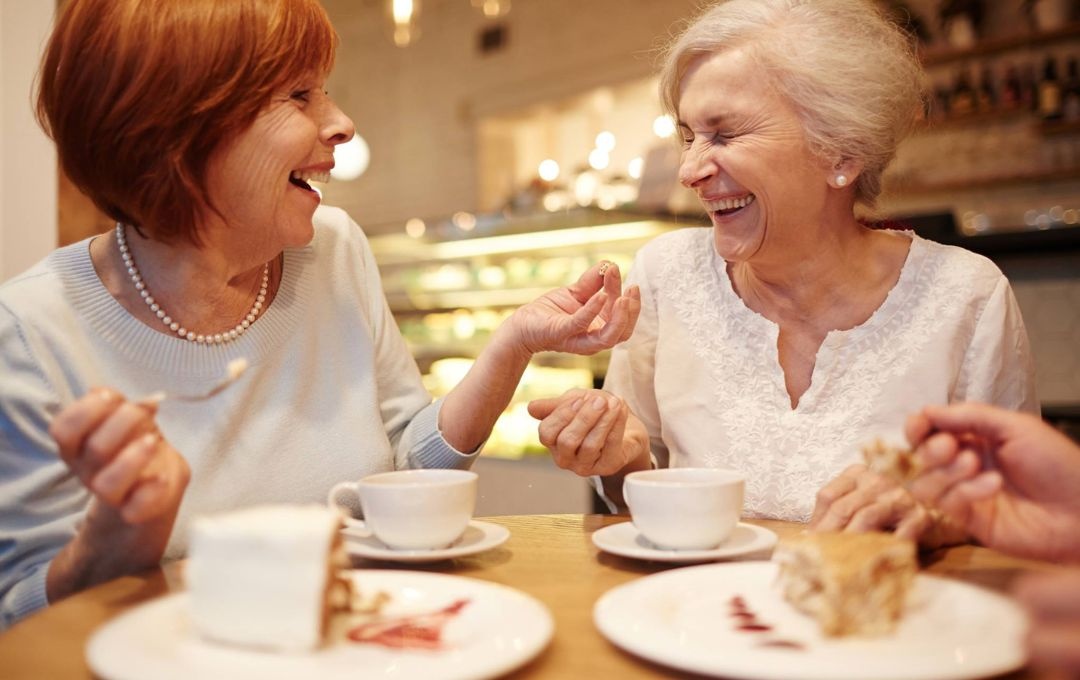
Growing older does not mean people want life to become smaller or more restricted. Many families are starting to look at retirement living differently, especially in places where comfort, connection, and everyday ease matter just as much as care itself. Instead of waiting for stressful situations to force quick decisions, people are planning earlier and searching for communities that feel warm, peaceful, and familiar. That shift is one reason interest in retirement communities in Gig Harbor has grown.
Families are also becoming more aware that many traditional assisted living communities are not designed to support residents through every stage of aging. Someone may settle into a community, build friendships, and begin feeling comfortable there, only to face another move after a hospitalization or sudden health change. That experience can feel exhausting for both residents and their families. Because of this, many people are now looking for communities centered around continuity of care, wellness, and long-term familiarity instead of environments that feel overly clinical. The side of aging matters today too.
Retirement Living Feels Different Today
The idea of retirement living has slowly changed over the years. Earlier generations often connected these communities with giving up independence or moving into highly structured environments. That image no longer reflects what many families are actually looking for.
Today, older adults want life to feel manageable without losing comfort or freedom. Some people become tired of maintaining large homes. Others begin feeling isolated after lifestyle changes, retirement, or losing a spouse. Sometimes driving becomes stressful, or daily routines simply require more energy than before.
Families notice these things gradually. Rarely does one single moment force the conversation. Instead, it usually builds quietly over time until everyone realizes more support could make life easier and less overwhelming.
Why Families Are Planning Earlier
Another major shift is timing.
Families are no longer waiting until a major medical emergency happens before discussing future living plans. Many people now prefer planning ahead while their loved ones can still comfortably participate in decisions about lifestyle, environment, and long-term support.
Adult children especially want reassurance about the future. They often worry about repeated relocations if care needs increase later. Moving once can already feel emotional. Moving again after building routines and friendships somewhere new can feel even harder.
This is why communities designed around continuity of care have become increasingly meaningful to families searching for long-term stability and emotional reassurance.
Familiarity Becomes Very Important Later in Life
One thing people sometimes underestimate is how much familiarity matters as people age.
Daily routines create comfort in ways that are difficult to explain until they suddenly disappear. Seeing familiar faces during meals, walking the same outdoor paths each morning, or having conversations with people who genuinely know you personally can shape emotional well-being more than many realize.
When residents are forced to relocate after a hospitalization or health change, it is not only a physical move. It can feel like losing community, rhythm, and connection all at once.
Because of that, many families now look for environments where support can evolve naturally over time whenever possible instead of starting over repeatedly in unfamiliar places.
Lifestyle Matters Just as Much as Support
Modern retirement communities are also becoming more lifestyle-focused than they once were.
People are paying attention to how a community actually feels during everyday life. The atmosphere matters. Families want spaces that feel peaceful, welcoming, and personal rather than busy or institutional.
Simple moments often become the most meaningful:
- morning coffee with neighbors
- quiet outdoor seating areas
- shared meals
- relaxed social gatherings
- wellness activities
- daily routines that still feel independent
These small experiences help people stay emotionally connected and socially engaged without life feeling overly structured.
Many modern retirement homes are now intentionally designed around comfort, hospitality, and everyday wellness rather than focusing only on care itself.
Wellness Means More Than Healthcare
Wellness conversations have changed quite a bit too.
Families today think beyond medical support alone. Emotional well-being, social interaction, movement, nutrition, and environment are all viewed as important parts of healthy aging.
- People increasingly want:
- peaceful surroundings
- meaningful connection
- flexibility in daily routines
- fresh meals
- opportunities to stay active
- support that feels natural instead of clinical
At Kensington Gardens Resort Living, the focus is placed on personalized continuing care, wellness-centered living, and a quieter resort-style atmosphere designed to feel warm and familiar. The goal is not simply assistance, but creating an environment where people continue feeling connected, comfortable, and personally supported as needs gradually change over time.
Why Gig Harbor Continues To Attract Retirees
The Pacific Northwest has always appealed to people who appreciate natural beauty and a slower pace of life. Gig Harbor especially continues attracting retirees because it offers a balance of peaceful surroundings and strong community connection.
Families exploring retirement communities in Gig Harbor are often drawn to the area because of its waterfront setting, walkable local spaces, and calm atmosphere throughout the year. Many people want a lifestyle that feels quieter without becoming isolated from family, activities, or nearby cities.
For many retirees, the environment itself becomes part of the comfort they are searching for.
Conclusion
The growing demand for retirement communities reflects a larger shift in how people think about aging and everyday living. Families are no longer focused only on care during difficult moments. They are looking for places where life can continue feeling stable, connected, and emotionally comfortable over time.
Communities centered around hospitality, personalized support, and continuity of care are becoming more meaningful because they help residents maintain familiarity, dignity, and a strong sense of belonging through changing stages of life.